Future Proof Music Services
From RSS to Valueverse
25 years of open technology. One movement to take music and media back.
By Aaron of Essex — New Music Nudge Unit (NMNU)
FROM RSS TO THE VALUEVERSE
25 years of open technology. One movement to take music and media back.
By Aaron of Essex — New Music Nudge Unit (NMNU)
The music industry has spent decades convincing us that the only way to get our music heard is to go through somebody else's platform.
First it was the record labels. Then came the digital distributors, streaming services and social media platforms. Each one promising to connect artists with audiences, while taking another slice of the control, the relationship and the value.
But here's the thing. The technology to do things differently has been around for years.
It started with RSS.
Today, with Podcasting 2.0, Bitcoin, Lightning and Nostr, we're seeing those original ideas come together in a way that could change the whole landscape for independent music and broadcasting.
At the New Music Nudge Unit (NMNU), we've spent the last three years nudging musicians into what we call the Valueverse.
We're not building another Spotify. We're not asking permission from the music industry. We're showing artists, broadcasters and audiences that there is another way.
And we're now seeing that idea move beyond individual musicians and into radio itself.
But first, let's go back to where it all started.
1999–2003: RSS — the foundations were already there
RSS (Really Simple Syndication) emerged in 1999, providing a way for websites to distribute their content automatically.
The idea was simple. Rather than visiting dozens of websites to see what was new, you subscribed to a feed and your chosen software brought the updates to you.
In December 2000, Dave Winer's RSS 0.92 introduced the enclosure element. This allowed a feed to point towards an external media file, including an MP3.
And that was a pretty big deal.
A publisher could put an audio file online, describe it in an RSS feed and let compatible software pick it up automatically.
The foundations of podcasting were in place.

A photograph of Dave Winer, one of the key figures in RSS development.

People such as Dave Winer and Adam Curry helped push this idea forward. By 2003, audio programmes were being distributed through RSS, and in 2004 journalist Ben Hammersley popularised the word podcasting.
Then, in 2005, Apple brought podcasts into iTunes and introduced the format to a much wider audience.

But let's not lose sight of the original idea.
You could publish your own content, control your own feed and let people listen using the software of their choice.
No platform needed to own the relationship.
That principle is still at the heart of everything we're doing.
2006–2019: The platforms take over
As smartphones, social media and music streaming took off, the internet became increasingly dominated by large platforms.
Spotify and YouTube made music incredibly convenient to access. But convenience came at a price.
Artists became dependent on third parties for distribution, discovery, audience access and payment.
The relationship between musician and listener increasingly belonged to somebody else.
And the money? Well, we all know how that story goes.
The original promise of an open internet was gradually buried beneath a mountain of platforms, algorithms, subscriptions and gatekeepers.
The problem isn't that technology made music easier to access. The problem is that musicians increasingly lost control of the relationship with the people listening to them.
We needed to get back to basics.
2020 onwards: Adam Curry, Podcasting 2.0 and Value for Value
In 2020, Adam Curry and Dave Jones helped kick-start Podcasting 2.0.
Rather than abandoning RSS, the idea was to build on it. Keep the open foundations, but add new capabilities that could take podcasting somewhere completely different.
The Podcast Namespace began introducing features that could transform the relationship between publishers, creators and listeners.

Among them:
- Bitcoin Lightning payments.
- Value for Value.
- Boostagrams and listener messages.
- Payment splits between contributors.
- Podcast chapters and transcripts.
- Alternative audio and video enclosures.
- Live programme announcements.
For independent musicians and broadcasters, one development stands out above the rest.
Value for Value.
The idea is beautifully simple. If you value something somebody creates, you can send value back to them.
Instead of relying entirely on advertising or the tiny fractions of a penny offered by conventional streaming platforms, listeners can reward the people making the content they enjoy.
Bitcoin Lightning makes it possible to send payments in sats. Payment splits can share those payments between artists, presenters, producers and other contributors.
A boostagram can even carry a message alongside the payment.
The listener becomes more than a consumer. They become part of the value exchange.
Adam Curry and the No Agenda Stream helped demonstrate how this could work in practice. Listeners supporting the programmes they value, directly and voluntarily.
This is the movement that we have been bringing into independent music.
If you're new to the idea, this is a useful introduction:
What is Value for Value? — Able and the Wolf
2020–2023: Nostr — taking back our identity
Then there's Nostr.
Nostr is an open protocol for social communication. It allows people to create cryptographic identities and communicate through independent relays, rather than having their entire online presence controlled by one social media company.
You can take your identity between compatible applications. You can publish, follow people, share content and build relationships without asking a platform for permission.

For musicians, this opens up another world of possibilities.
- Your own independent identity.
- Direct relationships with fans.
- Announcements for new releases.
- Music discovery.
- Bitcoin payments and zaps.
- Promotion of live performances.
- Communities built around artists and music.
Nostr has also developed specifications for livestreaming, including NIP-53, allowing compatible applications to announce and discover live events.
RSS and Nostr do different jobs, but they work beautifully together.
RSS distributes the content.
Nostr connects the people.
Bitcoin moves the value.
That's the combination we're interested in.
2023–2025: Bringing the pieces together
We've now got the ingredients for something that the traditional music industry hasn't really known what to do with.
Podcasting 2.0, Fountain, Bitcoin Lightning and Nostr are beginning to demonstrate how open publishing, music discovery, social interaction and direct payments can all work together.
Fountain has helped bring podcasting, music, Bitcoin payments and Nostr functionality into one listening experience.
The Podcasting 2.0 liveItem specification allows publishers to announce live audio and video broadcasts through RSS feeds.
Nostr's NIP-53 provides another way to announce livestreams to the wider Nostr community.
And importantly, none of this requires one company to own the whole operation.
The protocols provide the connections. The creators retain control of their content and their relationship with their audience.
This is where the theory starts becoming something practical.

2023–2025: The New Music Nudge Unit enters the Valueverse
This is where I come in.
Over the last three years, through the New Music Nudge Unit, I've been nudging musicians into the Valueverse.
Not just talking about it. Actually getting artists onboard, helping them publish their music, setting up RSS feeds, exploring Nostr and showing them how to receive Bitcoin through Lightning.
The aim has always been to give musicians another route to their audience.
A route that doesn't depend on record labels, Spotify or somebody else's permission.
We've helped bring artists into an environment where their music can be published through RSS, listeners can support them directly through boosts and streaming sats, and conversations can happen through Nostr.
And we've been building on that with live music.
Into the Valueverse: Taking it out of the bedroom and onto the stage
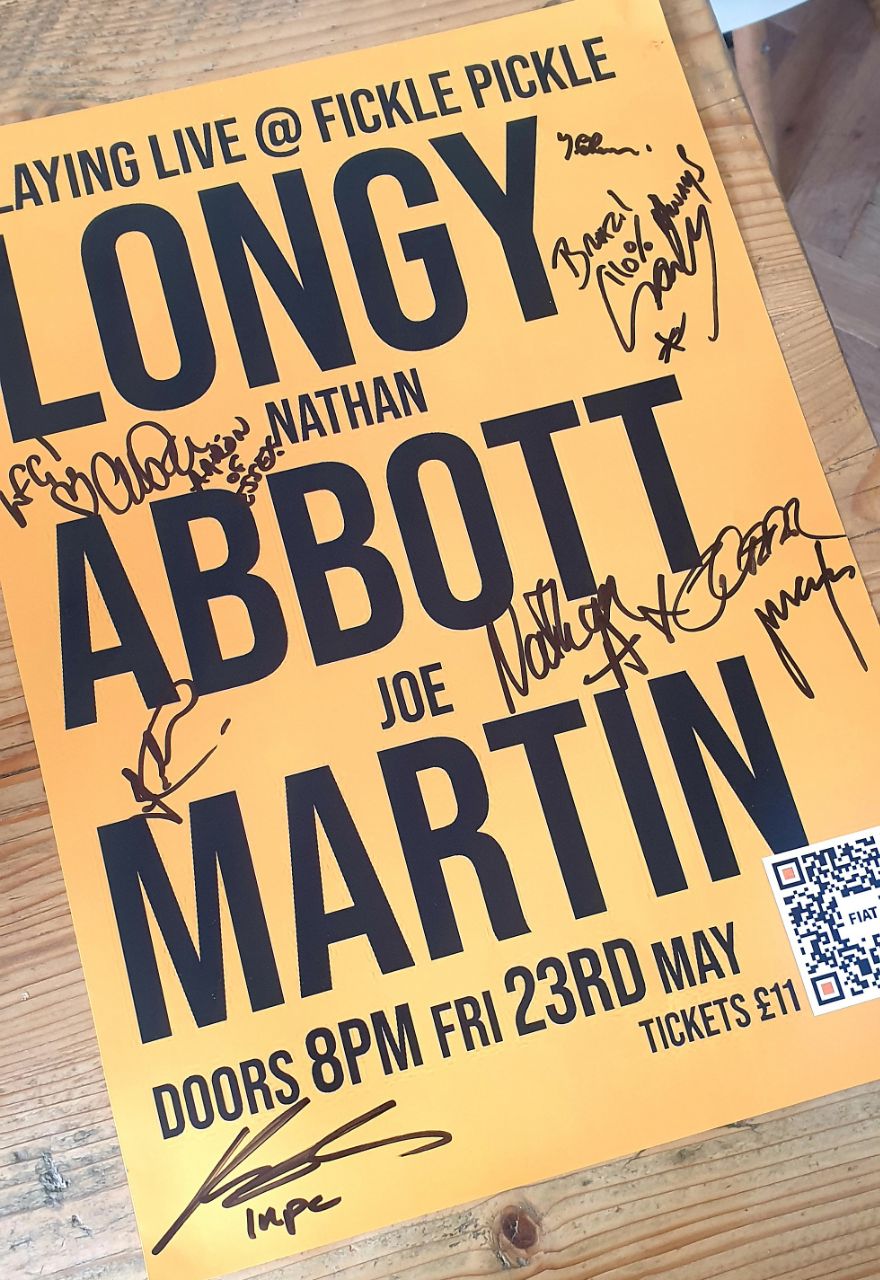
On 23 May 2025, we took the Valueverse into the real world at the Fickle Pickle Club in Westcliff-on-Sea.

The first Into the Valueverse live event brought together Longy, Nathan Abbott and Joe Martin.
It combined live performance with Podcasting 2.0, Nostr and Value for Value.
Artists were rewarded directly through Bitcoin payments. We demonstrated that this wasn't just an idea for people sitting behind computers. It could work at a real music event, with real musicians and a real audience.


We took things further at the Bitfest Manchester afterparty, where more than 750,000 sats were raised.
Into the Valueverse has become an extension of the NMNU mission: bringing independent music to audiences, supporting musicians and showing that a different music economy is possible.
We've also been developing live and recorded music production, including our work with Longy.
The idea is to capture performances as they happen, livestream them and record them locally in 4K. Then turn those performances into a permanent catalogue of music, individual releases, podcast episodes and video content.

The livestream ends. The content doesn't have to.
We can publish it, distribute it and keep it available for listeners long after the performance has finished.
And that's another part of the Valueverse: making sure the music doesn't disappear into somebody else's platform.
Listen to the whole live album here
2026: Southend City Radio — the Valueverse moves into radio
Now this is where things get really interesting.
What started as a mission to help independent musicians take control of their publishing has moved into something much bigger.
Through my collaboration with Southend City Radio, we're seeing the same principles being adopted by an established radio operation.
Southend City Radio has followed the direction I've been championing and has built its digital radio infrastructure around RSS, Nostr and Bitcoin Lightning.
This isn't simply a radio station setting up a Nostr account or putting a Bitcoin button on its website.
It's about building the foundations of a radio network that can participate in the open internet and the Value for Value movement.
And there's already something tangible to point to.
28 feeds and a new publishing challenge
Southend City Radio has 28 feeds across its programming.
Each feed represents another programme, another voice and another opportunity to connect content with an audience. Each presenter has been introduced to the valueverse and has set up a lightning wallet and nostr.
I've been working on the next part of this: creating a publisher feed that can bring the station's multiple feeds together and give the wider network a coherent publishing presence.
This is exactly the sort of work that makes the difference between simply talking about decentralised media and actually building it.
One of the station's programmes is already listed on Podcast Index:
Southend City Radio — Podcast Index listing
Podcast Index is an important part of the open podcasting ecosystem because it provides a public directory of podcast feeds and their metadata.
The listing demonstrates that the programme has a Podcasting 2.0 Funding tag, including Lightning support information.
That's important.
It means the programme isn't just another audio feed sitting in a directory. It has the beginnings of a direct value exchange built into its publishing information.
Listeners using compatible podcast applications can discover the funding information and see how they can support the content.
The wider plan is to bring the station's 28 feeds into a properly organised publishing structure, with RSS at the heart of it.
Nostr gives the station its own identity
Southend City Radio also has its own Nostr identity:
City Radio npub:
npub12um9zqae9uaydfszralpn0e0r90d559gd4qsrzar0j2yvut7t2zqwff5ck
This gives the station a presence in the Nostr ecosystem, with its own identity and connections across the network.
The station's conventional website remains at:
But the bigger story is what's happening beyond the website.
RSS provides the publishing infrastructure. Nostr provides an open social identity and a way to connect with people. Bitcoin Lightning provides the means to participate in Value for Value.
And that's the point.
We're not trying to bolt a new technology onto an old radio model and call it innovation.
We're looking at how radio itself can operate in a world where the broadcaster, presenter, musician and listener can all participate in the value exchange.
From independent musicians to independent broadcasting
The inspiration for this movement comes from Adam Curry, Dave Jones and the No Agenda Stream, whose work helped establish and demonstrate the Value for Value model.
I've spent the last three years taking those ideas into independent music.
Now, through Southend City Radio, we're seeing the same principles extend into a wider broadcasting environment.
Imagine a listener enjoying a programme and being able to support the presenter, the station or the people who made the content.
Imagine independent musicians being played on radio and receiving value directly from the people listening. Well this happened recently when NMNU collaborated with City Radio to braodcast the Maldon Festival it was tri-cast on nostr, rss and via the radio station itself.

Imagine programme makers building their own audiences through open feeds, rather than being entirely dependent on a centralised platform.
This is what we're working towards.
And there's something rather fitting about this happening in Southend-on-Sea, Essex.
A local radio operation embracing RSS, Nostr and Lightning is another step towards making the Valueverse a practical alternative for independent music and broadcasting.
The journey has gone from nudging individual musicians into the Valueverse, to producing live music, and now to helping bring an entire radio operation into the same ecosystem.
That's quite a journey.
And we're only getting started.
2026 and beyond: A new model for music and radio
Look at what we've got now.
RSS and Podcasting 2.0: Open publishing and distribution for music, podcasts and radio programmes.
Bitcoin and Lightning: Direct payments, streaming sats, boosts and value splits.
Nostr: Independent identities, social interaction, discovery and livestream announcements.
Independent production and broadcasting: Live performances, studio sessions, radio programmes, video and permanent content archives.
These technologies can work together without one company having to own the whole operation.
A musician can publish their own music, build an audience, announce a live performance and receive direct support.
A broadcaster can publish programmes through RSS, build relationships through Nostr and give listeners a way to support the people behind the broadcasts using Lightning.
And the listener gets to choose how they engage.
This isn't about creating another Spotify.
It's about removing the need to depend on Spotify in the first place.
What we're building
At the NMNU, we've never been interested in simply complaining about the music industry.
We're interested in doing something about it.
The technology is here. The protocols are here. The people are here. And we're putting the pieces together.
We've been nudging musicians into the Valueverse, producing live music, experimenting with new ways to publish and reward creators, and now working alongside Southend City Radio as these ideas extend into radio infrastructure.
The Valueverse isn't another platform. It's an ecosystem built on open protocols and direct relationships.
It's about musicians keeping control of their music, broadcasters having control over their publishing, and listeners being able to reward the people whose work they value.
No labels. No Spotify. No permission required.
Decentralising Music, Without Labels, Without Spotify & Without Permission.
Aaron of Essex
nostr:npub1c39tdmht8g896hyd3t5z47ksuwtmm77fyqxhmr7rac22d85lwsxqzk2lhm
New Music Nudge Unit (NMNU) nostr:npub1ztzpz9xepmxsry7jqdhjc32dh5wtktpnn9kjq5eupdwdq06gdn6s0d7zxv
Part of the Valueverse.
Discover the NMNU: https://tinyurl.com/newmusicnu
Into the Valueverse: https://tinyurl.com/intothevalueverse
Southend City Radio: https://cityradio.org.uk/
City Radio on Nostr: nostr:npub12um9zqae9uaydfszralpn0e0r90d559gd4qsrzar0j2yvut7t2zqwff5ck
Explore Value for Value: https://ableandthewolf.com/v4v
Explore Value for Value music: https://v4vmusic.com
P.S. A big thank you to Angor
It's also worth recognising the support we've received along the way.
Several of our projects over the last few months have been supported by Angor, a decentralised crowdfunding network.
Having access to funding through a decentralised network, rather than relying solely on traditional funding routes, is another important part of the ecosystem we're building.
We're grateful for that support. It helps us keep nudging independent musicians, developing the Valueverse and bringing more people into an open, independent media environment.
Support for independent creators, powered by decentralised technology. That's the Valueverse in action. Angor

Further reading: RSS history · Podcasting 2.0 · Podcast Namespace · Nostr specifications · Podcast Index
Other News & Resources
How does Bitcoin work?
This video by Click explains the concept Bitcoin as a concept completely rewires your understanding of how money works. https://youtu.be/SzAuB2FG79A to learn more join our telegram group...
Yes to Podcasting 2.0
New Podcasts Apps offer a better experience Are you a listener or a creator. Podcasting 2.0 is an upgrade to new podcast apps that runs on the lightning network. This gives you the ability to...
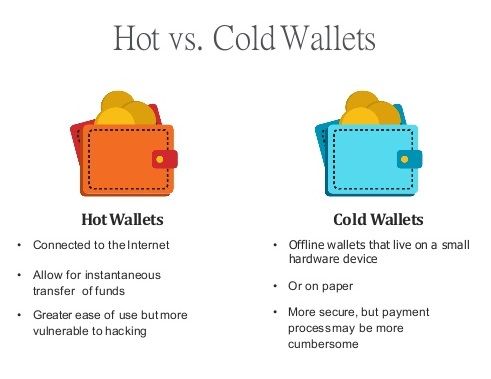
What is your Risk Profile?
Everyone has a different risk profile. Some people like to see all of the BTC in one wallet in one place. I prefer not to do that. Because I like to sleep at night. Keeping all your eggs in one...

Recover your Bitcoin Wallet in 60 secs
For anyone needing a little help to recover a bitcoin wallet Wallet Recovery is a key part of your bitcoin journey. There are a number of reasons why you may need to recover a wallet. You've lost...
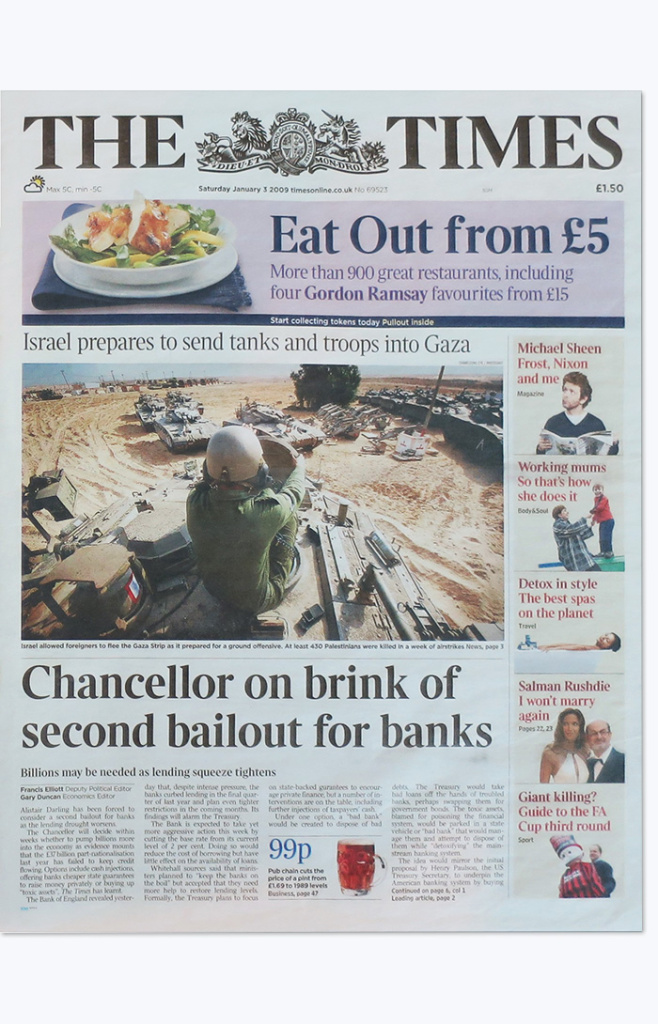
Who invented Bitcoin? Part 1
Satoshi Nakamoto did. Satoshi was the anonymous creator of Bitcoin. He solved the double spending problem which had flummoxed computer scientists for decades. Although Satoshi created Bitcoin, the...

Inflation is theft.
"Inflation is Taxation without representation" Milton Friedman https://youtu.be/QDx68vE8qDI In the 21st century, World Central banks have an inflation target of 2% a year. 2% inflation is not...
Never pay for Banks mistakes again.
Under a Bitcoin standard, the taxpayers won't need to bail out the banks. As they will not have the ability to speculate with money they do not have. Banks were responsible for the Global financial...
What is Bitcoin?
Bitcoin is a digital currency, that is native to the internet. It was the first successful attempt to produce a currency independent of any central authority like a bank or Government....
Deadcoins / Shitcoins
Shitcoins are just a way that their creators make themselves rich. Do not confuse Crypto with Bitcoin. They are not the same.